

Noticing bulging leg veins, persistent ankle swelling, or cramping calves during short walks often prompts you to seek medical advice. Stepping into a specialist clinic for the first time can feel unfamiliar when you do not know what the examination involves. Vascular conditions affect the network of arteries, veins, and lymphatic vessels that circulate blood throughout your body. Because circulation symptoms often overlap with muscular or joint issues, arriving prepared helps your clinician identify the underlying cause. Booking an appointment with a vascular doctor in Singapore works effectively when you bring symptom timelines, medication lists, and specific questions. Taking a few practical steps beforehand ensures you and your vascular surgeon in Singapore make use of your initial consultation and outline a diagnostic plan.
Symptom Tracking: Noting When, Where, and How Discomfort Occurs
Vascular symptoms follow patterns tied to posture, physical exertion, and the time of day.
Before your appointment, spend a few days writing down notes about what your legs or limbs feel like during routine activities. For example, venous insufficiency often causes aching, throbbing, or heaviness that increases after standing for long hours and decreases when you elevate your legs. Conversely, peripheral arterial disease typically triggers cramping pain in the calves or thighs during walking that subsides within minutes of resting. Note when you first spotted skin discolouration, spider veins, or non-healing ankle ulcers. Presenting a timeline of your symptoms gives your clinician diagnostic information before you step onto the examination table.
The Preparation Checklist: Items to Bring to Your Appointment
Organising your medical paperwork and choosing practical clothing streamlines your clinic visit and prevents delays.
| Preparation Item | What to Include | Purpose During Your Visit |
| Medical History File | Previous ultrasound reports, blood test results, and referral letters | Prevents duplicate testing and shows how your condition has changed. |
| Medication & Supplement List | All prescription drugs, blood thinners, painkillers, and herbal supplements | Identifies compounds that affect blood clotting, circulation, or swelling. |
| Loose Clothing | Wide-legged trousers, shorts, or skirts that allow limb access | Lets the clinician examine your legs and perform ultrasound scans without obstruction. |
| Written Question List | Prioritised questions on diagnostic tests, lifestyle steps, and treatments | Ensures you leave the consultation with clear answers. |
Bringing these items together keeps your consultation structured and allows your medical team to conduct a physical assessment without interruption.
Clothing Considerations: Preparing for Clinic Ultrasound Scans
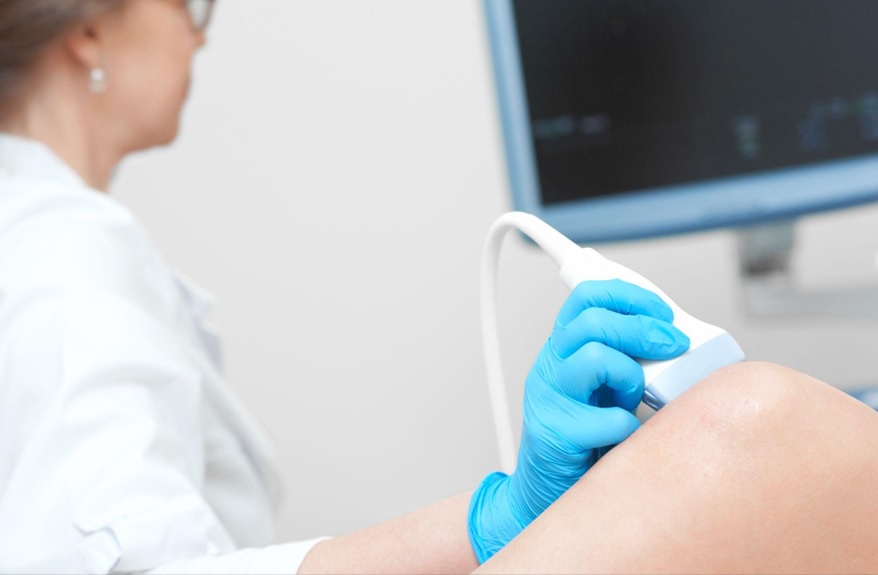
Many vascular consultations include a non-invasive duplex ultrasound scan inside the clinic.
During this diagnostic procedure, a sonographer or clinician applies conductive gel along your legs or arms to visualise blood flow speed and valve function in real time. Wearing tight jeans, layered compression tights, or restrictive jumpsuits makes the examination difficult and time-consuming. Choose loose shorts, a knee-length skirt, or wide trousers that roll up above the thigh. Additionally, avoid applying body lotions, oils, or moisturisers on your legs on the morning of your appointment, as thick creams can interfere with ultrasound probe contact and skin markings.
Clinical Questions: Structuring Your Consultation Discussion
A medical consultation functions as a two-way discussion between patient and clinician.
When you meet a vascular doctor in Singapore, ask direct questions that clarify your diagnosis and outline next steps. Enquire whether your symptoms stem from superficial venous reflux, deep vein blockages, or arterial narrowing. Ask which diagnostic scans confirm the condition, whether conservative measures such as medical-grade compression stockings can manage early symptoms, and what minimally invasive procedures exist if clinical intervention is indicated. Discussing recovery timelines, activity restrictions, and insurance coverage with a vascular surgeon in Singapore helps you evaluate your options objectively without feeling rushed into immediate decisions.
Stepping Forward with Confidence: Your Vascular Health Journey
Preparing for your first vascular consultation removes uncertainty and turns a medical visit into a structured health assessment. By logging daily symptom patterns, gathering prior scan records, dressing for ultrasound access, and bringing a focused list of questions, you help your clinician conduct an accurate evaluation. Preparation ensures you leave the clinic with clear diagnostic information and a practical plan for managing your circulation.
Frequently Asked Questions
Will I need blood tests or an ultrasound during my first vascular consultation?
Many initial visits include a non-invasive duplex ultrasound scan to assess blood flow in real time, while clinicians order blood tests only if clotting disorders or metabolic risk factors require evaluation.
Should I stop taking my regular medications before seeing a vascular specialist?
Continue taking all prescribed medications as usual unless the clinic instructs otherwise, and bring a complete list of every tablet and supplement you take daily.
How long does a first consultation with a vascular doctor typically take?
An initial consultation, including physical examination and diagnostic ultrasound imaging, usually takes between forty-five and sixty minutes.
Address leg swelling, varicose veins, and circulation symptoms through diagnostic testing and clinical vascular care. Contact UNITAS Vein & Endovascular Clinic to discuss your symptoms.