

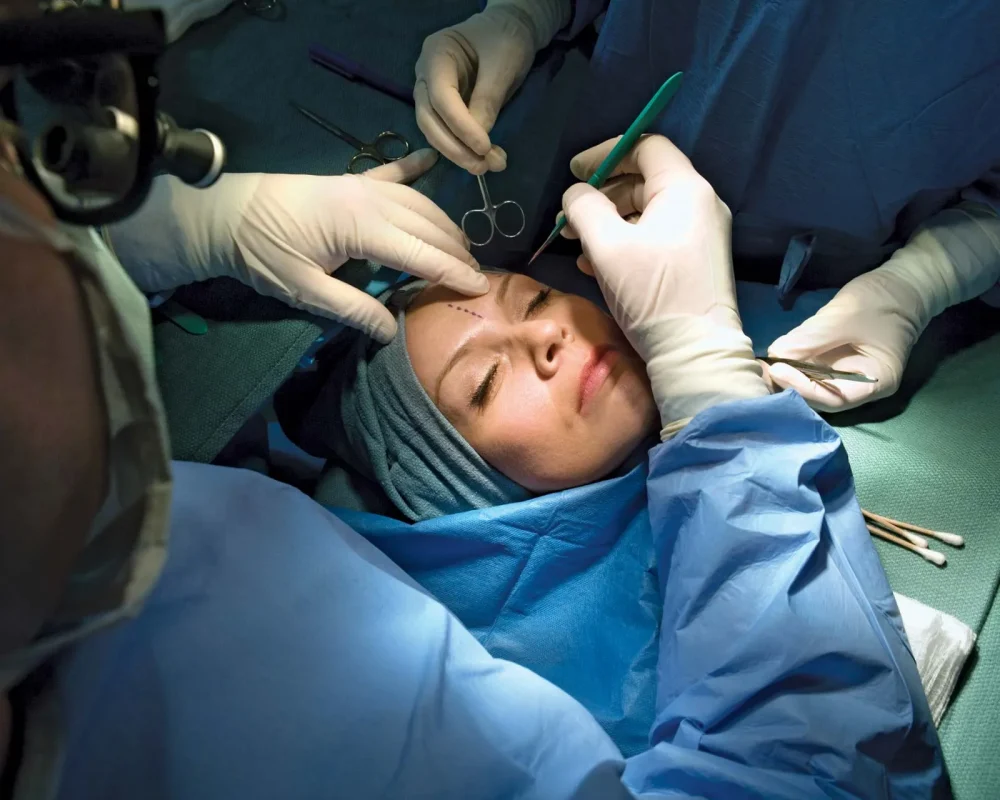
Surgery is a cornerstone of modern medicine, providing life-saving interventions, disease management, and quality-of-life improvements. From emergency trauma procedures to elective corrective surgeries, the practice of surgery encompasses a broad spectrum of techniques, specializations, and patient care considerations. Understanding the principles, types, preoperative and postoperative management, and innovations in surgical practice is essential for both medical professionals and patients seeking informed healthcare decisions.
Defining Surgery
Surgery is the branch of medicine that involves operative manual and instrumental techniques to investigate, treat, or prevent disease. Surgical interventions range from minimally invasive procedures to complex operations requiring multidisciplinary collaboration. Unlike pharmaceutical treatments, surgery often provides immediate structural or functional correction, addressing conditions that cannot be managed solely by medication or conservative therapies.
Core Principles of Surgery
- Diagnosis and Assessment: Surgical planning begins with comprehensive evaluation, including clinical examination, imaging, laboratory tests, and patient history.
- Safety and Sterility: Maintaining aseptic technique and minimizing risk of infection is fundamental.
- Precision and Technique: Skilled surgical execution minimizes tissue damage, preserves function, and optimizes outcomes.
- Multidisciplinary Collaboration: Surgeons often work with anesthesiologists, nurses, radiologists, and rehabilitation specialists to ensure comprehensive care.
- Ethical Practice: Patient consent, risk disclosure, and adherence to professional standards guide surgical decision-making.
Types of Surgery
Surgical procedures are categorized based on urgency, purpose, and technique. Understanding these classifications helps clarify treatment approaches and patient expectations.
Elective Surgery
Elective surgeries are planned procedures that are not immediately life-threatening. Examples include joint replacement, hernia repair, and cosmetic surgery. These surgeries aim to improve quality of life, restore function, or correct deformities.
Emergency Surgery
Emergency surgeries address acute, life-threatening conditions such as traumatic injuries, appendicitis, or internal bleeding. Prompt intervention is crucial to prevent morbidity and mortality.
Major vs. Minor Surgery
- Major Surgery: Involves significant risk, extensive tissue manipulation, and general anesthesia. Examples include open-heart surgery and organ transplantation.
- Minor Surgery: Typically performed under local anesthesia with minimal risk and short recovery, such as mole excision or cataract removal.
Minimally Invasive Surgery
Minimally invasive techniques, including laparoscopy, endoscopy, and robotic-assisted surgery, use small incisions, cameras, and specialized instruments. Benefits include reduced pain, shorter hospital stays, and faster recovery compared to traditional open surgery.
Specialized Surgical Fields
Surgery encompasses multiple subspecialties, each requiring specialized training:
- Cardiothoracic Surgery: Addresses heart and lung conditions, including coronary artery bypass, valve repair, and lung resections.
- Neurosurgery: Focuses on the brain, spinal cord, and peripheral nervous system, treating tumors, trauma, and degenerative conditions.
- Orthopedic Surgery: Deals with bones, joints, ligaments, and muscles, including fracture repair, joint replacement, and sports injury management.
- Plastic and Reconstructive Surgery: Restores form and function after trauma, congenital defects, or cosmetic alterations.
- General Surgery: Covers abdominal, gastrointestinal, and soft tissue procedures, often providing emergency and elective care.
- Pediatric Surgery: Specialized surgical care for infants and children, addressing congenital anomalies and acute conditions.
Preoperative Considerations
Successful surgical outcomes depend on meticulous preoperative planning, patient education, and risk mitigation.
Medical Evaluation
Preoperative assessment includes:
- Comprehensive medical history and physical examination.
- Laboratory and imaging studies to identify comorbidities.
- Cardiopulmonary evaluation for patients with underlying heart or lung disease.
Patient Preparation
- Fasting and dietary guidelines to minimize anesthesia complications.
- Medication adjustments, including anticoagulant or immunosuppressive management.
- Psychological preparation to reduce anxiety and enhance cooperation.
Informed Consent
Ethical practice requires patients to understand:
- Nature and purpose of the surgery.
- Potential risks, complications, and expected outcomes.
- Alternatives to surgery, including non-surgical management options.
Anesthesia in Surgery
Anesthesia enables pain-free surgical procedures and varies based on patient factors and surgical complexity.
Types of Anesthesia
- General Anesthesia: Induces unconsciousness and analgesia for major surgeries.
- Regional Anesthesia: Blocks nerve pathways to numb a specific area, commonly used in orthopedic or obstetric procedures.
- Local Anesthesia: Numbs a small, localized area for minor procedures.
- Sedation: Conscious sedation reduces anxiety and discomfort during minimally invasive interventions.
Monitoring and Safety
Anesthesiologists continuously monitor vital signs, oxygenation, and anesthetic depth to ensure patient safety and respond promptly to complications.
Surgical Techniques and Innovations
Modern surgery benefits from technological advancements, enhancing precision, safety, and recovery.
Robotic-Assisted Surgery
Robotic systems allow surgeons to perform complex procedures with enhanced dexterity, magnified visualization, and minimal invasiveness. Applications include urologic, gynecologic, and cardiac procedures.
Laparoscopic and Endoscopic Surgery
Small incisions and camera-guided instruments reduce postoperative pain, hospital stays, and infection risk. Common procedures include gallbladder removal, appendectomy, and colonoscopy-assisted interventions.
Laser and Energy-Based Techniques
Laser surgery enables precise tissue removal and coagulation, useful in ophthalmology, dermatology, and ENT procedures.
3D Printing and Custom Implants
Patient-specific implants and surgical guides improve accuracy in orthopedic, craniofacial, and reconstructive surgery.
Postoperative Care and Recovery
Recovery planning is essential to minimize complications, restore function, and promote long-term health.
Pain Management
- Multimodal analgesia, combining opioids, NSAIDs, and local anesthetics.
- Non-pharmacologic interventions, including physical therapy and relaxation techniques.
Wound Care
- Regular monitoring for signs of infection or dehiscence.
- Proper dressing changes and hygiene to promote healing.
Rehabilitation and Functional Recovery
- Physical therapy to restore mobility, strength, and range of motion.
- Occupational therapy for adaptation to daily activities post-surgery.
Monitoring for Complications
- Early detection of infections, bleeding, thromboembolism, or organ dysfunction is critical.
- Follow-up appointments and imaging support ongoing evaluation of surgical outcomes.
Risks and Complications
While surgery offers significant benefits, potential risks must be acknowledged.
- Infection: Surgical site infections remain a concern despite sterile techniques.
- Bleeding: Intraoperative or postoperative hemorrhage may require intervention.
- Anesthesia Complications: Adverse reactions, respiratory depression, or cardiovascular instability can occur.
- Organ or Tissue Damage: Accidental injury to adjacent structures may result in functional impairment.
- Thrombosis and Embolism: Blood clots can develop postoperatively, necessitating prophylaxis.
Risk mitigation relies on meticulous surgical technique, preoperative assessment, and vigilant postoperative monitoring.
Ethical and Patient-Centered Considerations
Surgery intersects with ethical principles, emphasizing patient autonomy, beneficence, and informed decision-making.
- Shared Decision-Making: Patients should actively participate in selecting procedures aligned with their values and goals.
- Cultural Sensitivity: Respecting diverse beliefs and expectations enhances trust and cooperation.
- Transparency: Honest communication about risks, alternatives, and outcomes supports ethical care.
The Future of Surgery
Surgical practice continues to evolve with innovation, research, and patient-centered approaches.
- Artificial Intelligence and Predictive Analytics: AI assists in surgical planning, risk assessment, and intraoperative guidance.
- Tele-Surgery and Remote Assistance: Expanding access to expert surgical care in remote or underserved regions.
- Enhanced Recovery Protocols: Evidence-based pathways reduce hospital stays, complications, and accelerate functional recovery.
- Regenerative Medicine and Stem Cells: Emerging techniques aim to repair tissue and organs, potentially reducing the need for traditional surgery.
Conclusion
Surgery is a complex, multifaceted field that combines technical expertise, clinical judgment, and patient-centered care to treat disease, repair injury, and enhance quality of life. From preoperative assessment to postoperative rehabilitation, every stage requires meticulous planning, evidence-based decision-making, and interdisciplinary collaboration. Advancements in minimally invasive techniques, robotics, and regenerative medicine continue to expand the scope and safety of surgical practice. By understanding the principles, risks, innovations, and patient care considerations of surgery, individuals and healthcare providers can make informed choices that optimize outcomes and promote long-term health.
Frequently Asked Questions
What factors determine the type of surgery a patient needs?
Factors include the severity and nature of the condition, overall health, comorbidities, patient preferences, and surgical risk assessment.
How can patients prepare for surgery?
Preoperative preparation involves medical evaluation, fasting guidelines, medication adjustments, mental preparation, and informed consent discussions with the surgical team.
What are the most common complications after surgery?
Infections, bleeding, anesthesia-related reactions, organ or tissue injury, and thromboembolic events are among the most common complications.
How does minimally invasive surgery differ from traditional surgery?
Minimally invasive surgery uses small incisions, camera-guided instruments, or robotic assistance, reducing pain, recovery time, and risk of infection compared to open surgery.
What role does postoperative rehabilitation play in recovery?
Rehabilitation restores mobility, strength, and function, prevents complications, and enhances long-term outcomes through physical therapy, occupational therapy, and structured activity.
Are robotic and AI-assisted surgeries safer than traditional methods?
These technologies enhance precision, visualization, and planning, potentially reducing errors and improving outcomes, but success still relies on surgical expertise and patient-specific factors.
This detailed guide provides a comprehensive overview of surgery, covering principles, types, patient care, innovations, and evidence-based strategies to maximize safety and outcomes.