

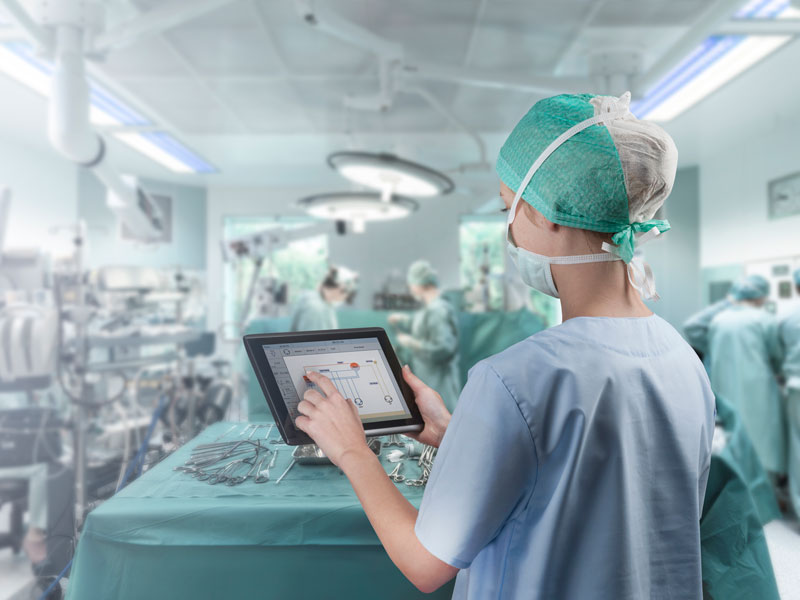
Modern medicine is experiencing an unprecedented period of structural transformation. For generations, clinical therapy relied on a standardized, generalized model of care. Patients diagnosed with the same disease often received identical pharmaceutical regimens or standard surgical procedures, regardless of their distinct genetic profiles, lifestyle factors, or cellular microenvironments. While this approach saved countless lives, it often resulted in variable efficacy, adverse drug interactions, and prolonged recovery timelines.
Today, advanced biotechnologies, molecular engineering, artificial intelligence, and precision therapeutics are dismantling this one-size-fits-all framework. Healthcare is shifting rapidly from reactive symptom management to proactive, personalized, and curative interventions. These therapeutic breakthroughs are transforming once-fatal diagnoses into manageable conditions and offering genuine cures for complex genetic and degenerative disorders.
The Rise of Precision Medicine and Pharmacogenomics
Precision medicine tailors medical treatment to the individual characteristics of each patient. Rather than classifying diseases solely by anatomical location or surface symptoms, clinicians increasingly categorize conditions by their underlying molecular and genetic drivers.
At the heart of this transition is pharmacogenomics, the study of how a person unique genetic makeup influences their physiological response to medications.
- Targeted Drug Delivery: Genetic sequencing identifies specific genetic mutations within tumors, allowing oncologists to prescribe targeted small-molecule inhibitors that selectively attack cancer cells while sparing healthy tissue.
- Elimination of Adverse Drug Events: By analyzing metabolic liver enzyme genes, such as the Cytochrome P450 family, clinicians can determine whether a patient is a rapid or poor metabolizer of specific compounds, calculating optimal dosages and preventing severe toxicities.
- Biomarker-Driven Diagnostics: Liquid biopsies and circulating tumor DNA assays enable physicians to monitor therapy effectiveness in real time through simple blood draws, identifying disease recurrence months before tumors appear on physical imaging scans.
Gene Editing and Genetic Therapies
Genetic medicine has moved from speculative research into mainstream clinical reality. By repairing, replacing, or silencing defective genes at the molecular level, gene therapies treat the root biological cause of disease rather than mitigating chronic symptoms.
Clustered Regularly Interspaced Short Palindromic Repeats
Known widely as CRISPR-Cas systems, modern gene-editing platforms function as programmable molecular scissors.
- Mechanism of Action: Guide RNA sequences direct the Cas endonuclease enzyme to precise coordinates within the genome, where it creates targeted double-strand breaks to disrupt, insert, or repair specific DNA sequences.
- Clinical Applications: CRISPR therapies are revolutionizing the treatment of monogenic disorders, successfully correcting the mutated hemoglobin genes responsible for sickle cell disease and transfusion-dependent beta-thalassemia.
- In Vivo Gene Editing: Emerging therapies deliver gene-editing machinery directly into the human body using lipid nanoparticles, enabling targeted genomic correction within organs like the liver to treat hereditary amyloidosis and familial hypercholesterolemia.
Cellular Immunotherapies
Cellular immunotherapy harnesses and reprograms the patient own immune system to recognize, track, and destroy malignant cells.
- Chimeric Antigen Receptor T-Cell Therapy: In CAR-T cell manufacturing, a patient T-cells are extracted, genetically re-engineered in a laboratory to express synthetic surface receptors targeting cancer antigens like CD19 or BCMA, and infused back into the bloodstream. This approach has achieved high remission rates in refractory hematologic malignancies, including leukemias, lymphomas, and multiple myeloma.
- Tumor-Infiltrating Lymphocyte Therapies: Immune cells that have naturally penetrated solid tumors are harvested, expanded into billions of active cells in culture, and re-administered to treat advanced, treatment-resistant metastatic melanomas.
Regenerative Medicine and Tissue Engineering
Degenerative conditions and organ failure have long presented severe treatment limitations, leaving millions dependent on donor waitlists and lifelong immunosuppressive drugs. Regenerative medicine aims to restore, repair, or replace damaged tissues and organs through biological engineering.
- Induced Pluripotent Stem Cells: Adult somatic cells, such as skin fibroblasts, can be reprogrammed back into an embryonic-like pluripotent state. These cells can then differentiate into specialized cell types, including cardiomyocytes for heart repair, dopaminergic neurons for Parkinson disease treatment, and retinal pigment epithelial cells to reverse macular degeneration.
- Three-Dimensional Bioprinting: Advanced additive manufacturing platforms deposit bio-inks composed of living human cells, extracellular matrices, and biocompatible hydrogels layer by layer. Researchers are printing vascularized skin grafts, functional cartilage structures, and prototype organ scaffolds that integrate cleanly with host circulatory systems.
- Decellularized Tissue Scaffolds: Harvesting donor or animal organs, stripping away all foreign cellular material to leave a collagen matrix, and recellularizing the scaffold with a patient own stem cells reduces the risk of post-transplant organ rejection.
Artificial Intelligence in Therapeutic Discovery and Delivery
Artificial intelligence and deep learning models are fundamentally shortening the timelines and lowering the astronomical costs traditionally required to bring new medical therapies to market.
Accelerating Molecular Discovery
Traditional drug discovery requires screening millions of chemical compounds over many years. AI algorithms compress this discovery window from years to weeks.
- Protein Folding Prediction: Deep learning systems analyze amino acid sequences to map the three-dimensional structures of virtually all known proteins, unlocking critical insights into drug-binding sites that were previously impenetrable.
- De Novo Molecular Design: Generative AI models design entirely novel, drug-like chemical compounds optimized for specific biological targets, predicting binding affinity, metabolic stability, and safety profiles before physical synthesis in a laboratory.
Clinical Workflow and Diagnostic Precision
Beyond chemical discovery, AI enhances precision during treatment execution:
- Algorithmic Radiotherapy Planning: Machine learning models outline tumor margins and adjacent healthy organs on CT scans in seconds, allowing radiation oncologists to direct high-dose beams with pinpoint accuracy while minimizing damage to healthy tissues.
- Predictive Patient Triage: Neural networks analyze continuous intensive care unit telemetry, alerting clinicians to early signs of septic shock, hemodynamic instability, or acute respiratory distress hours before physical clinical deterioration occurs.
Nanomedicine and Bioelectronic Therapeutics
Innovations operating at the microscopic and electrical scales are expanding the boundaries of non-invasive treatment delivery.
- Lipid Nanoparticles and Exosomes: Sub-microscopic delivery vehicles protect fragile therapeutic payloads, such as messenger RNA and therapeutic peptides, from enzymatic breakdown in the bloodstream, transporting them across biological barriers like the blood-brain barrier directly into target cells.
- Bioelectronic Neuromodulation: Implantable and non-invasive neuromodulation devices apply targeted electrical impulses to the vagus nerve and peripheral nerve networks. This electrical stimulation alters inflammatory cytokine pathways, providing non-pharmacological relief for autoimmune disorders like rheumatoid arthritis and treatment-resistant Crohn disease.
- Targeted Magnetic Hyperthermia: Functionalized iron oxide nanoparticles accumulate within deep tumors. When exposed to an external alternating magnetic field, they heat up rapidly, destroying cancerous cells through localized hyperthermia without harming surrounding healthy tissue.
Frequently Asked Questions
What is the difference between small-molecule drugs and biologic therapies?
Small-molecule drugs are chemically synthesized compounds with simple, low-molecular-weight chemical structures that can easily pass through cell membranes and are often taken orally as pills. Biologic therapies, such as monoclonal antibodies, gene therapies, and cellular treatments, are complex, large-molecular-weight products manufactured within living biological systems like cells, yeasts, or bacteria, and typically require intravenous infusion or injection.
How do lipid nanoparticles help mRNA therapies work inside the human body?
Messenger RNA is an inherently fragile molecule that is quickly degraded by circulating ribonuclease enzymes if injected directly into the bloodstream. Lipid nanoparticles encapsulate the mRNA in a protective lipid bilayer, preventing degradation, extending circulation time, and fusing with target cellular membranes to release the therapeutic RNA directly into the cell cytoplasm.
Are gene-editing therapies permanent, and will the edits be passed down to future children?
Somatic gene therapies modify only the non-reproductive cells of a patient, meaning the therapeutic genomic changes are permanent for that individual but will not be inherited by future offspring. Germline gene editing, which modifies the DNA of reproductive egg and sperm cells or early-stage embryos, would be heritable across generations, but it remains heavily restricted and clinically banned across most global jurisdictions due to significant ethical and safety concerns.
What are the main challenges preventing the widespread adoption of 3D bioprinted organs?
The primary technical bottleneck is vascularization. Thick, complex living organs like kidneys and hearts require a dense, microscopic network of functional capillaries to continuously supply oxygen and nutrients while removing waste from interior cells. Without immediate and patent micro-vessels, the cells in the center of printed tissues quickly experience hypoxia and necrosis.
How does vagus nerve stimulation reduce systemic inflammation in autoimmune diseases?
Stimulating the vagus nerve activates the cholinergic anti-inflammatory pathway. This neuro-immune reflex triggers the release of acetylcholine, which binds to specific alpha-7 nicotinic receptors on macrophages and other immune cells, directly inhibiting the synthesis and release of pro-inflammatory cytokines like tumor necrosis factor and interleukin-6.
Why do some patients develop resistance to targeted oncology therapies over time?
Tumors are genetically diverse, unstable cell populations. Under the selective pressure of a targeted therapy that blocks a single molecular pathway, cancer cells frequently acquire secondary genetic mutations that bypass the blocked pathway or activate alternative growth signaling cascades, allowing resistant clones to proliferate despite ongoing drug treatment.
What is the role of digital twins in future surgical and pharmacological planning?
A clinical digital twin is an advanced computational, multi-scale physiological simulation of an individual patient, constructed using their specific genomic data, medical imaging, lab results, and real-time biometric feeds. Surgeons and oncologists use these virtual models to test multiple surgical approaches or predict individual drug toxicity and efficacy scenarios virtually before administering therapy to the physical patient.