

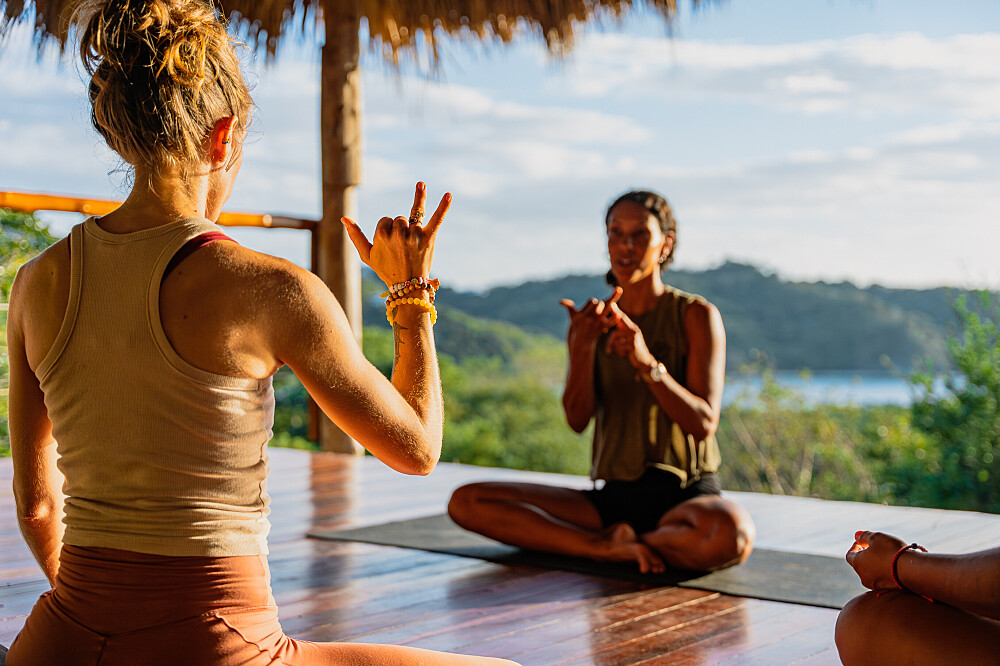
In a world defined by constant digital connectivity, relentless workplace demands, and continuous sensory stimulation, the appeal of stepping away from daily obligations has never been stronger. While a standard vacation offers a temporary pause from routine, an intensive meditation retreat provides something fundamentally different: a structured container for deep introspection, mental stillness, and psychological renewal.
Stepping into a retreat environment is often romanticized as an effortless, serene escape filled with peaceful contemplation. In reality, intensive meditation is a demanding inner discipline. It asks participants to sit face-to-face with their own thoughts, emotional patterns, physical discomforts, and habits of mind without the usual modern distractions of smartphones, entertainment, or casual conversation. Understanding the landscape of meditation retreats, knowing what to anticipate day to day, and properly preparing your body and mind can turn an intimidating venture into a deeply transformative life milestone.
The Diverse Landscape of Meditation Retreats
Before packing a bag, it is vital to understand that meditation retreats vary substantially in their philosophical foundations, levels of intensity, and daily structures. Selecting a retreat that aligns with your current experience level and personal intentions is the first step toward a rewarding journey.
- Vipassana and Insight Meditation Retreats: Rooted in the Theravada Buddhist tradition, these retreats focus on developing clear insight into the nature of reality through meticulous awareness of bodily sensations and mental states. They are renowned for their strict adherence to silence and structured schedules, often lasting three, seven, ten, or thirty days.
- Zen Sesshin: Zen retreats emphasize rigorous seated meditation, known as zazen, paired with formal walking meditation, manual work periods, and private teacher interviews. Discipline is paramount, posture is closely monitored, and participants follow strict ritualized forms throughout the day.
- Secular and Mindfulness-Based Retreats: Often based on clinical frameworks like Mindfulness-Based Stress Reduction, these retreats offer a gentler introduction to sustained practice. They combine guided breath awareness, gentle movement, and cognitive reflection in a supportive, non-dogmatic setting.
- Contemplative Yoga and Movement Hybrids: For individuals concerned about physical stiffness, hybrid retreats blend extended periods of restorative yoga, somatic breathwork, and nature walks with seated meditation periods.
What to Expect: The Daily Rhythm and Realities
While the specific lineage shapes the details of a program, most traditional residential meditation retreats share common structural elements designed to strip away external distractions and turn attention inward.
The Early Morning Schedule
Retreat schedules are deliberately structured to maximize alertness and minimize mental sluggishness. A typical day begins well before dawn, often between four and five in the morning, signaled by the striking of a brass bell or wooden gong.
- Early Morning Sitting: The quiet hours before sunrise offer the clearest mental states, free from environmental noise.
- Alternating Cycles: Days are divided into alternating periods of seated meditation, walking meditation, Dharma talks or lectures, and mindful meal breaks.
- Work Periods: Participants are frequently assigned a simple daily chore, such as chopping vegetables, sweeping a corridor, or washing dishes, performed in total silence as an exercise in applied mindfulness.
- Early Bedtime: Evening lectures conclude around eight or nine at night, followed by a final short meditation and immediate rest.
The Discipline of Noble Silence
The cornerstone of most serious retreats is Noble Silence. This practice requires abstaining from all verbal communication, non-verbal gestures, eye contact, and written notes with fellow participants.
Noble Silence is not designed as a punishment; it serves as a protective social boundary. When you no longer need to maintain social pleasantries, project a personality, or manage how others perceive you, an immense amount of cognitive energy is freed. Silence creates a collective sanctuary where everyone can look inward without interpersonal friction.
Physical Sensations and Postural Strain
Sitting motionless on a cushion for eight to twelve hours a day is physically demanding, even for seasoned athletes. As the days progress, physical sensations inevitably arise.
- Muscular Fatigue: The muscles of the lower back, neck, shoulders, and hip flexors will likely ache as they adjust to holding an upright posture.
- Joint Tightness: Knees, ankles, and hips often register stiffness from long stretches in folded seating positions.
- The Sensation Wave: One of the core teachings of a retreat is learning to relate differently to physical discomfort. Rather than immediately shifting posture or resisting pain, participants learn to observe physical sensations as changing, transient neurological signals.
The Psychological and Emotional Arc
Without the distraction of work, social media, or entertainment, the subconscious mind begins to clear its backlog. The mental journey of a retreat rarely follows a smooth, linear progression of peace.
- The Initial Mental Rebellion: During the first two days, the mind often races, generating lists, remembering forgotten conversations, and craving stimulation.
- The Emotional Emergence: By the third or fourth day, deep-seated emotions, past grief, unresolved conflicts, or creative epiphanies frequently bubble up to conscious awareness.
- The Settling Phase: As the practice deepens toward the final days, the internal mental chatter quiets down, giving way to sensory clarity, deep somatic relaxation, and emotional composure.
How to Prepare Mentally, Physically, and Logistically
Approaching an intensive retreat without adequate preparation can lead to unnecessary shock during the first few days. Strategic preparation smooths the transition into deep silence.
Physical and Postural Conditioning
Conditioning your physical body in the weeks leading up to your departure prevents severe postural fatigue on-site.
- Build Your Sitting Base: Gradually increase your daily meditation time at home. Move from fifteen minutes to forty-five or sixty minutes of continuous sitting each day.
- Test Your Seating Props: Experiment with different cushions, including zafus, crescent pillows, and wooden meditation benches, to discover what best supports your pelvic tilt and spinal alignment.
- Open the Hips and Hamstrings: Incorporate gentle daily stretches for the piriformis, psoas, hamstrings, and thoracic spine to make seated postures sustainable.
Lifestyle and Digital Tapering
Shocking your nervous system by leaping directly from an intense eighty-hour workweek into complete silence can trigger severe restlessness or caffeine withdrawal.
- Reduce Screen Time in Advance: Begin setting your phone aside an hour before bed and taking screen-free walks during the week prior to your retreat.
- Wean Off Stimulants: If the retreat center serves only decaffeinated tea or simple meals, gradually lower your daily coffee intake beforehand to avoid debilitating withdrawal headaches on day one.
- Adjust Sleep Cycles: Shift your sleep schedule toward earlier bedtimes and earlier mornings several days before you travel.
Packing Strategy and Practical Essentials
Retreat environments emphasize simplicity and functionality. Packing with care ensures your physical comfort without cluttering your living space.
- Loose, Layered Clothing: Bring soft, breathable, non-restrictive clothing made of natural fibers. Avoid noisy synthetic fabrics like nylon that rustle during silent hall transitions.
- Slip-On Footwear: Choose shoes or clogs that slip on and off easily, as shoes are traditionally removed before entering meditation halls and dormitories.
- Comfort Accessories: Pack a supportive shawl or lightweight blanket for cool morning sits, along with an eye mask, earplugs, and non-scented toiletries to respect shared dorm environments.
- Simple Analog Watch: Leave smartwatches at home. A quiet, basic wristwatch helps you track the daily schedule without relying on a phone screen.
Post-Retreat Re-entry and Integration
The conclusion of a retreat marks the beginning of the most critical phase: integrating your heightened awareness back into everyday modern life.
- Expect Heightened Sensory Sensitivity: After days of silence, the world will feel remarkably loud, fast, and visually intense. Grocery stores, highway traffic, and busy airports can easily cause temporary sensory overload.
- Create a Gentle Transition Buffer: If possible, take a full day off work following the retreat before diving back into career and social responsibilities.
- Establish a Realistic Daily Habit: Do not expect to maintain eight hours of daily meditation at home. Instead, anchor the momentum by committing to twenty or thirty minutes of consistent daily practice each morning.
Frequently Asked Questions
Can beginners attend an intensive ten-day silent meditation retreat?
Yes, beginners can and often do attend full ten-day silent retreats, as most programs provide comprehensive daily instructions suitable for first-time practitioners. However, beginners should possess stable emotional health and a realistic understanding that the physical and mental intensity requires strong discipline and patience throughout the duration.
What happens if an individual experiences an emotional crisis during the retreat?
Established meditation centers have experienced residential teachers and support staff trained to assist students facing emotional difficulties. If acute distress arises, participants can request private teacher interviews, receive grounding instructions, adjust their sitting posture, or take walks to stabilize their emotional state safely.
Is it mandatory to sit cross-legged on the floor if you have knee or back issues?
No, sitting flat on the floor is not a requirement for meditation. Centers provide chairs, backrests, and kneeling benches for anyone with joint stiffness, chronic pain, or physical limitations. The objective is maintaining an alert, upright spine rather than forcing your legs into an uncomfortable pretzel position.
Are reading books and keeping a written journal allowed during silent retreats?
In most traditional silent retreats, reading books, writing journals, listening to recorded audio, and using electronic devices are strictly prohibited. Engaging with external written material stimulates analytical thinking, which works against the primary goal of quieting cognitive commentary and developing direct present-moment awareness.
What kind of food is typically served at a residential meditation center?
Most centers serve simple, wholesome, vegetarian or vegan meals designed to support digestive ease and keep energy levels stable without inducing post-meal lethargy. Breakfast and lunch are typically the primary meals, while evening offerings often consist of light fruit, clear broth, or tea to support comfortable evening and morning meditation.
Can married couples or close friends attend a silent retreat together?
Yes, couples and friends can attend the same retreat, but they are generally assigned separate sleeping quarters and are required to honor the rules of Noble Silence. They must refrain from sitting together, exchanging glances, or communicating, allowing each person to have an independent, uninterrupted personal experience.
What medical or psychological conditions require caution before enrolling in a retreat?
Individuals with active psychosis, untreated severe clinical depression, recent acute trauma, or severe substance dependencies should exercise caution. Intensive silent meditation can amplify internal psychological distress when the nervous system lacks basic clinical stabilization, making individual medical or psychiatric clearance essential beforehand.