

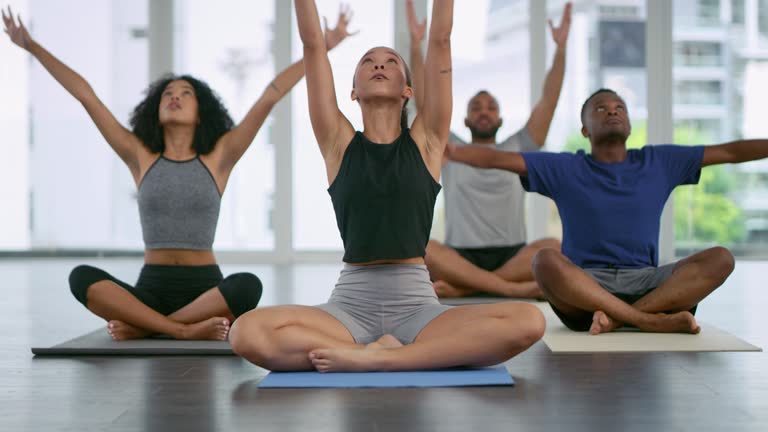
Joint stiffness has become a quiet but widespread issue among adults in Singapore. Long hours of sitting, repetitive movements, limited recovery time, and inconsistent exercise patterns often lead to tight hips, aching knees, stiff shoulders, and reduced mobility. Many people respond by doing intense workouts occasionally, hoping to “loosen up” their bodies. However, this approach rarely delivers lasting relief.
This is where structured yoga classes stand apart. Rather than relying on sporadic bursts of effort, yoga classes work through consistency, controlled movement, and intelligent joint loading. Over time, this approach improves joint comfort, mobility, and long-term function far more effectively than irregular workouts.
Understanding Why Joint Stiffness Develops in Modern Lifestyles
Joint stiffness is not always caused by injury or age. In many cases, it develops from how the body adapts to daily habits.
Common contributors include:
-
Prolonged sitting with limited movement variation
-
Repetitive actions such as typing or phone use
-
High stress levels that increase muscle guarding
-
Irregular exercise patterns with long breaks
-
Overloading joints without adequate preparation
When joints are not moved through their full, healthy range regularly, surrounding tissues become less adaptable. The body then treats stiffness as a protective response rather than a problem to solve.
Why Occasional Workouts Often Make Stiffness Worse
Many people attempt to counter stiffness with intense gym sessions or long workouts done irregularly. While these sessions may feel productive, they often miss the deeper issue.
Inconsistent Load Creates Defensive Tension
When joints experience sudden, high-intensity load after long periods of inactivity:
-
Muscles tighten to protect the joint
-
Connective tissues resist rapid change
-
Inflammation can increase temporarily
-
The body reinforces stiffness as a safety mechanism
This is why stiffness often returns quickly after rest days.
Lack of Joint-Specific Attention
General workouts usually focus on muscles rather than joint mechanics. As a result:
-
Smaller stabilising muscles are neglected
-
Joint alignment is compromised
-
Movement patterns become compensatory
-
Long-term mobility does not improve
Yoga classes address these gaps systematically.
How Yoga Classes Approach Joint Health Differently
Yoga classes are not about pushing joints beyond their limits. Instead, they focus on restoring natural movement patterns gradually and safely.
Progressive Joint Conditioning
In yoga classes, joints are:
-
Moved through controlled ranges repeatedly
-
Loaded gradually with body weight
-
Supported by balanced muscular engagement
-
Given time to adapt between sessions
This steady exposure improves joint tolerance without triggering protective stiffness.
Emphasis on Movement Quality
Rather than chasing repetitions or intensity, yoga classes prioritise:
-
Alignment and stability
-
Smooth transitions between poses
-
Awareness of joint sensation
-
Balanced use of both sides of the body
This approach retrains how joints move, not just how far they can move.
The Role of Connective Tissue in Joint Stiffness
Joint stiffness is often blamed on muscles, but connective tissue plays an equally important role. Fascia, ligaments, and tendons adapt slowly and require consistent stimulation.
Why Consistency Matters for Fascia
Connective tissue responds best to:
-
Regular low to moderate load
-
Sustained stretches held with awareness
-
Gentle rebound movements
-
Adequate recovery time
Yoga classes naturally provide this environment through structured sequencing.
Long-Term Adaptation Through Repetition
With consistent practice:
-
Fascia becomes more hydrated
-
Tissue elasticity improves
-
Joint movement feels smoother
-
Resistance during movement decreases
These changes cannot be rushed through occasional effort.
Stress, Muscle Guarding, and Joint Restriction
Stress has a direct impact on joint mobility. When the nervous system remains in a heightened state, muscles around joints stay partially contracted.
How Yoga Classes Reduce Stress-Driven Stiffness
Yoga classes help by:
-
Slowing breathing patterns
-
Reducing baseline muscle tension
-
Improving body awareness
-
Encouraging relaxation without collapse
As stress reduces, joints naturally regain freedom of movement.
Why This Effect Is Sustainable
Because stress regulation happens gradually, the body learns to maintain relaxed joint control even outside class. This leads to lasting improvements rather than short-term relief.
Joint Longevity Versus Short-Term Flexibility
Many people equate mobility with flexibility, but they are not the same. Flexibility focuses on length, while joint health depends on control.
Yoga Classes Build Controlled Range of Motion
In yoga classes:
-
Muscles lengthen while staying engaged
-
Joints are supported throughout movement
-
Stability improves alongside mobility
-
Overstretching is avoided
This balance protects joints and supports long-term comfort.
Why Occasional Stretching Falls Short
Stretching done inconsistently:
-
Does not retrain movement patterns
-
Can increase instability
-
Often targets symptoms rather than causes
-
Fails to create lasting change
Consistency remains the key differentiator.
How Regular Classes Improve Everyday Movement
The benefits of yoga classes extend beyond the mat. As joint function improves, daily activities become easier.
People often notice:
-
Less stiffness when getting out of bed
-
Improved comfort during long periods of sitting
-
Easier transitions between positions
-
Reduced joint noise and discomfort
These improvements accumulate quietly through repetition.
Adapting to Age Without Losing Mobility
Joint stiffness often increases with age, not because movement is harmful, but because movement becomes less varied.
Yoga classes support ageing joints by:
-
Encouraging full-range movement safely
-
Strengthening stabilising muscles
-
Improving balance and coordination
-
Supporting recovery between sessions
This makes yoga classes suitable for long-term practice across different life stages.
Why Environment and Instruction Matter
The effectiveness of yoga classes for joint health depends heavily on guidance and environment. Calm pacing, thoughtful sequencing, and knowledgeable instruction prevent overloading and promote adaptation.
Studios such as Yoga Edition focus on mindful progression rather than performance, allowing practitioners to build joint resilience steadily without pressure.
Real-Life Improvements From Consistent Practice
People who attend yoga classes regularly often report:
-
Reduced morning stiffness within weeks
-
Improved joint comfort during workdays
-
Less reliance on self-massage or quick fixes
-
Greater confidence in movement
These changes occur without aggressive intervention or drastic routines.
FAQ: Real-Life Questions About Yoga Classes and Joint Stiffness
Q: How often should I attend yoga classes to reduce joint stiffness?
A: Attending two to three classes per week consistently is usually enough to create noticeable improvements. Regularity matters more than session length.
Q: Can yoga classes help if my joints feel stiff but not painful?
A: Yes. Yoga classes are particularly effective for early stiffness, helping restore movement before discomfort develops into pain.
Q: Are yoga classes safe for stiff joints?
A: When guided properly, yoga classes use controlled movements that support joints rather than strain them. This makes them suitable for most people with stiffness.
Q: Why do my joints feel looser after yoga classes but stiff again later?
A: Early changes are temporary as tissues adapt. With consistent practice, improvements become more stable and long-lasting.
Q: Is it better to do yoga classes than stretch at home for joint health?
A: Yoga classes provide structure, progression, and guidance that home stretching often lacks. This leads to more reliable and sustainable joint improvements.