

Bone density loss is one of those health issues that sneaks up quietly. You don’t feel it happening. There’s no pain or obvious symptom until a fracture occurs from what should have been a minor fall.
For women, bone density decline accelerates sharply after menopause. For men, the decline is more gradual but still significant after age 50. The question isn’t whether your bones will weaken as you age. The question is how much you can slow the process.
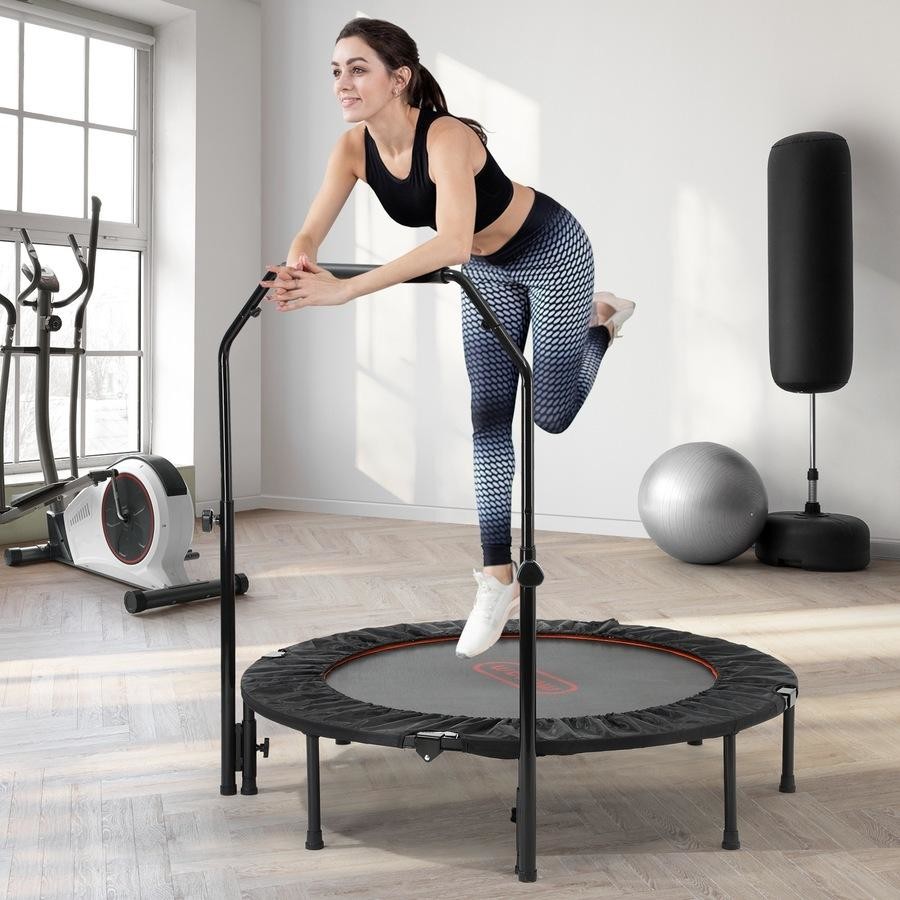
Weight-bearing exercise is the most proven non-pharmaceutical intervention for bone health. And trampoline fitness singapore sessions deliver a specific type of mechanical load that triggers bone-building activity in ways that surprised even bone health researchers.
How Bone Density Is Built and Lost
Bone is living tissue that constantly breaks down and rebuilds. When you’re young, the rebuilding happens faster than the breakdown. Your bones get denser and stronger through your 20s.
After age 30, the balance shifts. Breakdown starts outpacing rebuilding. Over decades, this leads to osteopenia and eventually osteoporosis if nothing intervenes.
The key trigger for bone rebuilding is mechanical stress. When bones experience impact forces, they respond by laying down new bone tissue in the areas under stress.
This is why astronauts lose bone density rapidly in zero gravity. Without gravitational load, bones have no reason to maintain their strength.
The Impact Paradox: You Need It, But Too Much Hurts
High-impact exercise like running generates strong bone-building signals. The repeated ground strikes tell your bones they need to stay strong.
But here’s the problem: the same impact that builds bone can damage joints, especially if you’re over 40 and carrying any existing joint wear.
Many people in their 40s and 50s are caught in a difficult position. Their bones need impact to stay strong, but their knees and hips can’t tolerate the pounding of regular running.
This is where trampoline training offers a unique advantage.
How Trampoline Training Loads Bones Differently
When you land on a trampoline mat, the surface absorbs most of the peak impact force. This protects your joints from the sharp loading spikes that damage cartilage.
But your bones still experience meaningful stress. At the bottom of each bounce, gravitational force increases significantly as the mat decelerates your body.
Research measuring ground reaction forces during trampoline exercise shows that while peak forces are lower than running, the forces are still well within the range needed to stimulate bone remodelling.
You get enough mechanical load to trigger bone adaptation without the joint damage that comes with repetitive high-impact ground strikes.
Which Bones Benefit Most From Trampoline Training
The bones that bear the most load during bouncing are the ones that benefit most from the training stimulus:
- Femur (thigh bone) and tibia (shin bone)
- Hip bones and pelvis
- Lumbar spine (lower back vertebrae)
- Calcaneus (heel bone)
These are also the sites where fractures are most common and debilitating in older adults. Hip fractures in particular carry serious health consequences and are a major cause of loss of independence in the elderly.
Strengthening these specific bone sites through regular trampoline fitness singapore sessions provides targeted protection against the fractures that matter most.
The Coordination and Fall Prevention Benefit
Bone density is only half the fracture prevention equation. The other half is avoiding falls in the first place.
Trampoline training improves balance, coordination, and proprioception. These adaptations reduce fall risk in daily life, which compounds the bone-strengthening benefits.
Even if your bones are not as dense as they were at 25, having better balance and faster reaction times means you’re less likely to experience the falls that lead to fractures.
What the Research Shows
Studies on rebound exercise and bone health show mixed results, largely because research quality and participant compliance vary widely.
However, controlled trials that ensured consistent training frequency, adequate intensity, and sufficient duration (at least 12 weeks) generally show positive effects on bone mineral density markers, particularly at the hip and lumbar spine.
The bone-building response is most pronounced in individuals who were previously sedentary. Those who already engage in regular weight-bearing exercise see smaller additional gains, though the joint-preserving aspect remains valuable.
Frequency and Intensity Guidelines for Bone Health
Bone responds to progressive overload just like muscle. This means you need to gradually increase training stimulus over time to continue triggering adaptation.
For bone health specifically, the guidelines suggest:
- At least three sessions per week for meaningful bone stimulus
- Session duration of 30 to 45 minutes minimum
- Including moderate to high-intensity intervals rather than only low-intensity bouncing
- Maintaining consistency over months and years rather than short bursts of training
Singapore’s climate and urban lifestyle make indoor trampoline training particularly practical for sustaining this consistency year-round.
Combining Trampoline Training With Resistance Work
Trampoline sessions are excellent for lower body and spinal bone health. For comprehensive bone protection, adding some form of upper body resistance training ensures your arms, shoulders, and wrists also receive bone-building stimulus.
This doesn’t require heavy lifting. Bodyweight exercises, resistance bands, or light dumbbells are sufficient to provide the mechanical load needed for upper body bone maintenance.
TFX Singapore members who combine regular bounce sessions with even minimal upper body resistance work report better overall functional fitness and confidence in their long-term bone health compared to those relying on a single training format.
FAQs
Q: Can someone with diagnosed osteoporosis safely do trampoline training?
This requires medical clearance first. Individuals with moderate to severe osteoporosis may be at risk of fracture from falls or awkward landings.
If cleared by a doctor, supervised gentle bouncing with support handles can be part of a bone health programme, but it must be progressed very carefully.
Q: How long before bone density improvements are measurable?
Bone remodelling is slow. DEXA scans, which measure bone density, typically show detectable changes only after 6 to 12 months of consistent training.
Functional improvements in strength and balance appear much sooner, usually within 4 to 6 weeks.
Q: Does trampoline training help prevent bone density loss in men, or is it mainly for women?
Both sexes benefit. Men experience bone loss too, just at a slower rate and later onset than women.
Weight-bearing exercise stimulates bone remodelling regardless of sex. Men in their 50s and beyond should prioritise bone health just as women do.
Q: Are dietary factors as important as exercise for bone health?
Yes. Calcium and vitamin D intake are critical for bone remodelling. Exercise provides the stimulus, but the body needs raw materials to build new bone.
Adequate protein intake is also important. Combining trampoline training with proper nutrition produces far better bone health outcomes than exercise alone.