

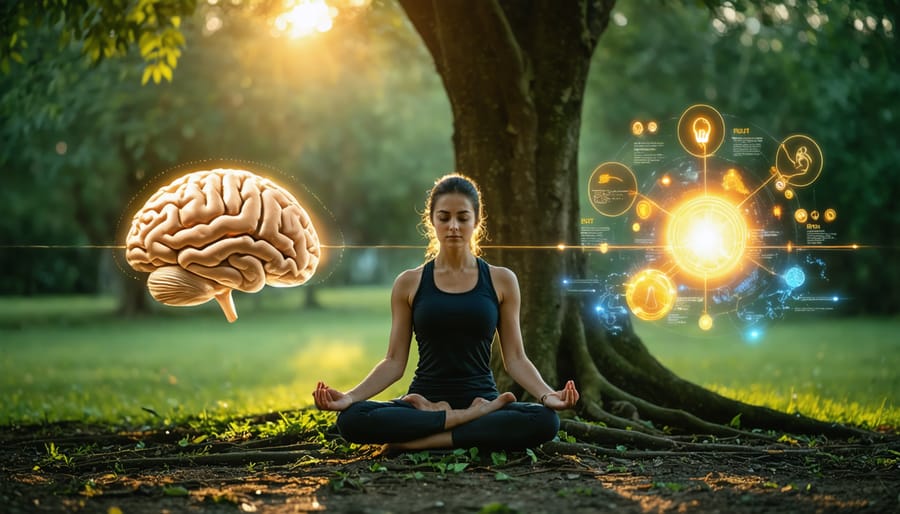
Meditation is an ancient practice that has gained widespread recognition in modern health and wellness circles for its profound benefits on the mind, body, and overall quality of life. More than a relaxation technique, meditation is a structured method of training attention and awareness to achieve mental clarity, emotional balance, and physiological health. Evidence-based research supports its efficacy in reducing stress, enhancing cognitive function, and even influencing physical health outcomes. This article explores the depth of meditation, its types, benefits, scientific basis, and practical applications.
Understanding Meditation
Meditation is the intentional practice of focusing attention and cultivating mindfulness to develop a heightened state of awareness. While it has roots in spiritual traditions, contemporary meditation emphasizes psychological and physiological benefits supported by scientific research. At its core, meditation encourages individuals to observe thoughts, emotions, and bodily sensations without judgment, leading to enhanced self-awareness and emotional regulation.
Key Principles of Meditation
- Focused Attention: Directing awareness to a single point of focus, such as the breath, a mantra, or bodily sensations.
- Open Monitoring: Observing thoughts and feelings without attachment, fostering awareness of mental patterns.
- Non-Judgmental Awareness: Accepting experiences as they arise without labeling them as positive or negative.
- Consistency: Establishing regular practice enhances the cumulative benefits of meditation over time.
Types of Meditation
Meditation encompasses a diverse range of practices, each with distinct methods and objectives. Understanding different types allows practitioners to select approaches aligned with their goals.
Mindfulness Meditation
Mindfulness meditation focuses on cultivating present-moment awareness. Practitioners observe their thoughts, emotions, and bodily sensations without judgment. Research demonstrates that mindfulness meditation reduces stress, enhances cognitive flexibility, and improves emotional regulation.
Concentration Meditation
This form involves focusing attention on a single object, such as the breath, a sound, or a visual image. Concentration meditation strengthens attention control and mental stability, reducing distractibility and increasing the ability to sustain focus over time.
Loving-Kindness Meditation
Also known as Metta meditation, this practice cultivates compassion and positive emotions toward oneself and others. Studies indicate that loving-kindness meditation enhances empathy, reduces social anxiety, and improves emotional resilience.
Transcendental Meditation
Transcendental meditation employs a repeated mantra to facilitate deep relaxation and transcendental awareness. Evidence suggests that this method can lower blood pressure, reduce anxiety, and promote overall cardiovascular health.
Body Scan and Progressive Relaxation
Body scan meditation involves systematically focusing attention on different body parts, releasing tension, and fostering bodily awareness. This technique has been shown to alleviate chronic pain, improve sleep quality, and support stress reduction.
Movement-Based Meditation
Practices like Tai Chi, Qigong, and walking meditation combine mindful awareness with controlled movements. These forms integrate physical activity with meditative focus, improving balance, coordination, and mind-body connection.
Scientific Benefits of Meditation
Extensive research supports meditation as a powerful tool for enhancing mental, emotional, and physical health.
Mental Health Benefits
- Stress Reduction: Meditation activates the parasympathetic nervous system, lowering cortisol levels and reducing stress-related symptoms.
- Anxiety Management: Mindfulness and focused-attention practices decrease symptoms of generalized anxiety and social anxiety disorders.
- Depression Mitigation: Regular meditation contributes to improved mood regulation and reduced depressive episodes.
- Cognitive Enhancement: Meditation strengthens attention, memory, and executive functioning, promoting mental clarity and cognitive resilience.
Emotional Well-being
- Enhanced Self-Awareness: Meditation encourages introspection, helping individuals recognize thought patterns and emotional triggers.
- Improved Emotional Regulation: Practitioners develop the ability to respond to challenging situations calmly and intentionally.
- Increased Empathy and Compassion: Loving-kindness and mindfulness practices foster prosocial behavior and emotional connection.
Physical Health Benefits
- Cardiovascular Health: Meditation has been linked to lower blood pressure, improved heart rate variability, and reduced risk of cardiovascular disease.
- Pain Management: Mindfulness-based techniques can reduce the perception of pain and improve coping strategies for chronic pain conditions.
- Immune Function: Regular meditation may enhance immune response by decreasing stress-induced inflammation.
- Sleep Quality: Mindfulness and body-scan practices contribute to improved sleep duration and quality, aiding in restorative rest.
Neuroscience of Meditation
Meditation induces measurable changes in brain structure and function. Neuroimaging studies reveal:
- Increased Gray Matter: Regular meditation is associated with greater gray matter density in regions related to attention, emotional regulation, and memory.
- Functional Connectivity: Enhanced connectivity between the prefrontal cortex and limbic system supports emotional stability and cognitive control.
- Reduced Amygdala Activity: Meditation dampens amygdala responses, reducing stress reactivity and anxiety.
- Default Mode Network Modulation: Mindfulness practices decrease activity in the default mode network, reducing mind-wandering and self-referential thinking.
Incorporating Meditation into Daily Life
Integrating meditation into daily routines requires intentional practice, consistency, and adaptability.
Practical Guidelines
- Start Small: Begin with 5–10 minutes per day and gradually increase duration.
- Designate a Space: A quiet, comfortable environment supports focus and minimizes distractions.
- Use Guided Practices: Apps, recordings, or instructors can provide structured guidance for beginners and advanced practitioners alike.
- Consistency Over Perfection: Regular practice yields greater benefits than sporadic, intensive sessions.
- Combine Techniques: Experimenting with mindfulness, concentration, and loving-kindness meditation can address diverse mental and emotional needs.
Integrating Mindfulness in Daily Activities
Beyond formal meditation, mindfulness can be incorporated into daily routines:
- Mindful eating: Observing the taste, texture, and aroma of food while eating slowly.
- Mindful walking: Paying attention to each step, breath, and surrounding environment.
- Mindful work: Practicing focused attention and awareness during tasks without multitasking.
- Mindful communication: Engaging in active listening and observing emotional responses during interactions.
Challenges and Solutions in Meditation Practice
Meditation is not without challenges. Practitioners often face obstacles such as restlessness, distractibility, and skepticism.
Common Obstacles
- Mental Distractions: Wandering thoughts and external stimuli can disrupt focus.
- Physical Discomfort: Sitting for prolonged periods may cause tension or discomfort.
- Impatience with Progress: Expecting immediate results can lead to frustration and abandonment of practice.
- Lack of Guidance: Inexperienced practitioners may struggle with technique and consistency.
Solutions
- Start with Short Sessions: Reduce physical discomfort and maintain attention by beginning with brief sessions.
- Use Guided Meditations: Instructional resources can provide structure and encourage adherence.
- Adopt a Non-Judgmental Attitude: Accepting fluctuations in attention as normal encourages persistence.
- Create Routine: Consistent scheduling increases habit formation and integration into daily life.
Evidence-Based Meditation Programs
Several structured programs provide evidence-based approaches to meditation:
- Mindfulness-Based Stress Reduction (MBSR): An 8-week program combining mindfulness meditation and yoga to alleviate stress, anxiety, and chronic pain.
- Mindfulness-Based Cognitive Therapy (MBCT): Integrates mindfulness practices with cognitive therapy to prevent depressive relapse.
- Compassion Cultivation Training (CCT): Focuses on enhancing empathy, compassion, and emotional resilience through guided meditation and exercises.
Conclusion
Meditation is a scientifically supported practice that fosters mental clarity, emotional balance, and physical well-being. Its diverse techniques, from mindfulness and concentration to loving-kindness and movement-based practices, provide tailored approaches for stress reduction, cognitive enhancement, and holistic health. Integrating meditation into daily life, maintaining consistent practice, and embracing evidence-based programs empower individuals to achieve sustainable wellness. By understanding the neuroscience, benefits, and practical applications of meditation, one can harness its full potential to improve quality of life and cultivate a resilient mind-body connection.
Frequently Asked Questions
How long should a daily meditation session last for optimal benefits?
Starting with 5–10 minutes daily can provide measurable benefits. Gradually increasing to 20–30 minutes enhances cognitive, emotional, and physiological outcomes.
Can meditation improve sleep quality?
Yes, mindfulness, body-scan, and guided relaxation techniques have been shown to improve sleep duration, reduce insomnia symptoms, and enhance restorative sleep.
What is the difference between mindfulness and concentration meditation?
Mindfulness meditation involves observing thoughts and sensations without attachment, while concentration meditation focuses attention on a single object or point, such as the breath or a mantra.
Are there physical health benefits to meditation?
Meditation supports cardiovascular health, reduces inflammation, improves pain management, and strengthens immune function through stress reduction and parasympathetic activation.
How can beginners overcome challenges in meditation practice?
Starting with short, guided sessions, maintaining consistency, adopting a non-judgmental attitude, and creating a dedicated meditation space can help overcome distractions, discomfort, and impatience.
Is meditation effective for mental health disorders?
Yes, evidence-based meditation programs like MBSR and MBCT are effective in reducing symptoms of anxiety, depression, and stress-related disorders, enhancing emotional regulation and cognitive resilience.
This comprehensive guide offers in-depth insights into meditation, its scientific basis, practical applications, and the transformative impact it can have on mind, body, and overall well-being.