

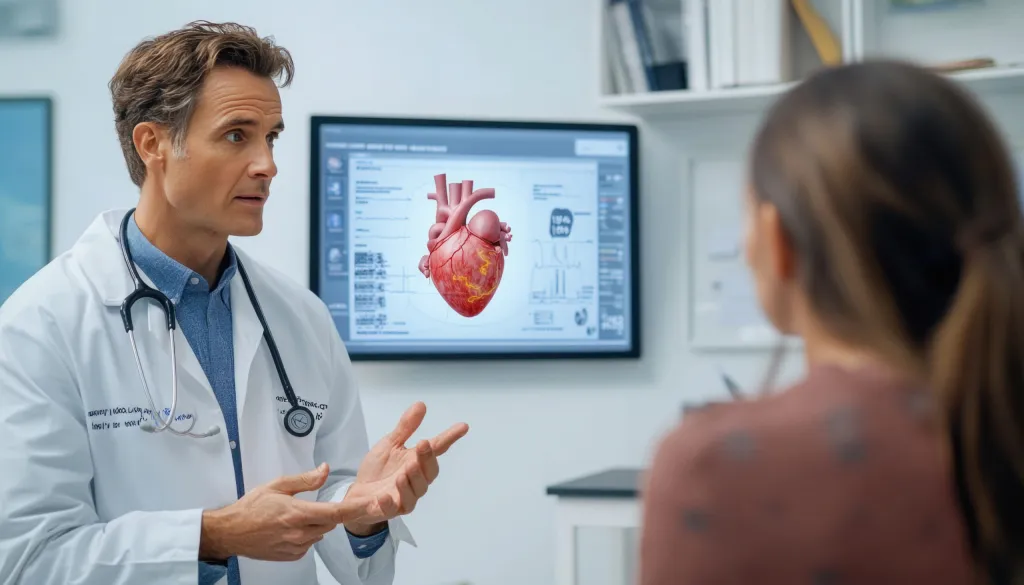
A doctor is a cornerstone of modern healthcare, providing essential services that promote health, prevent disease, and manage medical conditions. Doctors are highly trained professionals who combine scientific knowledge, clinical skills, and compassionate care to improve the lives of individuals and communities. Understanding the multifaceted role of a doctor can provide insight into the complexities of medical practice, the evolution of healthcare, and the strategies for achieving optimal health outcomes.
Understanding the Role of a Doctor
Doctors are medical professionals licensed to diagnose, treat, and prevent illnesses. They serve in hospitals, clinics, research centers, and community health programs, addressing both acute and chronic conditions. The responsibilities of a doctor extend beyond patient care; they often engage in health education, research, public health initiatives, and policy-making to enhance healthcare delivery.
Key Responsibilities
- Diagnosis and Treatment: Doctors use clinical examinations, diagnostic tests, and patient histories to determine the nature of illnesses and prescribe appropriate treatments.
- Preventive Care: They provide vaccinations, routine screenings, and lifestyle guidance to prevent the onset of diseases.
- Patient Education: Educating patients about disease management, healthy living, and treatment options empowers individuals to make informed health decisions.
- Research and Innovation: Doctors contribute to medical research, clinical trials, and the development of new therapies to advance medical knowledge.
- Public Health Advocacy: By promoting health awareness campaigns and preventive strategies, doctors play a crucial role in reducing the burden of disease at the community level.
Specializations and Expertise
The medical field is vast, and doctors often specialize to provide focused care. Specializations allow doctors to develop deep expertise in specific areas of medicine, ensuring high-quality treatment for complex health issues.
Common Specializations
- Internal Medicine: Focuses on adult health, diagnosing and treating a wide range of internal diseases.
- Pediatrics: Specializes in the health of infants, children, and adolescents, addressing both physical and developmental needs.
- Surgery: Involves operative procedures to treat injuries, diseases, and deformities. Surgeons often focus on specific areas such as cardiovascular, orthopedic, or neurosurgery.
- Cardiology: Deals with disorders of the heart and circulatory system, including prevention, diagnosis, and treatment.
- Oncology: Focuses on the diagnosis and treatment of cancers, employing chemotherapy, radiation, and targeted therapies.
- Psychiatry: Addresses mental health conditions, combining psychotherapy, medication, and supportive care to enhance mental well-being.
- Family Medicine: Provides comprehensive care for individuals of all ages, emphasizing continuity and preventive care.
Subspecialties and Emerging Fields
Medical science continuously evolves, leading to subspecialties such as interventional radiology, sleep medicine, genetic counseling, and minimally invasive surgery. Emerging technologies like telemedicine, artificial intelligence in diagnostics, and precision medicine are reshaping how doctors deliver care.
Education and Training
Becoming a doctor requires rigorous education and extensive training. Medical professionals undergo a structured pathway to acquire the knowledge and skills necessary for safe and effective practice.
Academic Pathway
- Undergraduate Education: A foundational degree in sciences such as biology, chemistry, or pre-medical studies.
- Medical School: A Doctor of Medicine (MD) or Doctor of Osteopathy (DO) program, typically lasting four years, combining classroom learning with clinical rotations.
- Residency: Postgraduate training in a chosen specialty, lasting between 3 to 7 years, depending on the field.
- Fellowship (Optional): Advanced subspecialty training for doctors pursuing highly specialized expertise.
Licensing and Certification
After completing medical education, doctors must pass licensing exams to practice. Continuous medical education and certification renewals ensure that doctors remain updated with advancements in medical science and clinical practice.
The Doctor-Patient Relationship
The effectiveness of medical care often depends on the quality of the doctor-patient relationship. Building trust, empathy, and communication skills is as critical as technical knowledge in achieving positive health outcomes.
Communication Strategies
- Active Listening: Understanding patient concerns, symptoms, and expectations without judgment.
- Clear Explanations: Simplifying complex medical information to help patients make informed decisions.
- Shared Decision-Making: Involving patients in their treatment plans fosters adherence and satisfaction.
- Cultural Sensitivity: Respecting diverse backgrounds, beliefs, and health practices ensures inclusive care.
Ethical Considerations
Doctors adhere to principles such as beneficence, non-maleficence, autonomy, and justice. Ethical practice guides decision-making in complex situations, including end-of-life care, informed consent, and allocation of limited medical resources.
Technology and Innovation in Modern Medicine
Modern doctors leverage technology to enhance diagnostic accuracy, treatment effectiveness, and patient engagement.
Diagnostic Tools
Advanced imaging techniques, genetic testing, and laboratory innovations allow for early detection of diseases and personalized treatment plans.
Telemedicine
Telehealth platforms enable doctors to provide consultations, monitor chronic conditions, and deliver follow-up care remotely, increasing accessibility and convenience for patients.
Artificial Intelligence and Data Analytics
AI assists doctors in analyzing large datasets, predicting disease trends, and recommending treatment options based on evidence. Machine learning algorithms can improve diagnostic precision, particularly in radiology and pathology.
Public Health and Preventive Medicine
Doctors play a pivotal role in preventive healthcare, reducing the incidence of chronic diseases and promoting population well-being.
Vaccination and Immunization Programs
Administering vaccines and advocating immunization schedules protect communities from infectious diseases.
Lifestyle Counseling
Doctors advise patients on nutrition, physical activity, stress management, and smoking cessation to prevent lifestyle-related diseases.
Screening and Early Detection
Regular screenings for conditions such as hypertension, diabetes, cancer, and cardiovascular risk factors enable early intervention, improving prognosis and reducing healthcare costs.
Challenges Faced by Doctors
The medical profession, while rewarding, presents significant challenges that require resilience, adaptability, and lifelong learning.
Workload and Burnout
High patient volumes, long shifts, and administrative responsibilities can lead to physical and mental fatigue. Strategies such as time management, peer support, and wellness programs are critical in mitigating burnout.
Ethical Dilemmas
Doctors often encounter complex situations requiring ethical judgment, such as balancing patient autonomy with medical recommendations or managing scarce healthcare resources.
Evolving Healthcare Systems
Navigating insurance regulations, electronic health records, and policy changes requires doctors to adapt continuously while maintaining patient-centered care.
Essential Skills for Effective Doctors
Beyond clinical expertise, certain soft skills and professional attributes enhance a doctor’s effectiveness.
- Critical Thinking: Analyzing complex information to make informed decisions.
- Problem-Solving: Developing innovative solutions for unique patient challenges.
- Emotional Intelligence: Understanding and managing one’s emotions while empathizing with patients.
- Leadership and Collaboration: Working with multidisciplinary teams to deliver coordinated care.
- Lifelong Learning: Staying current with medical research, guidelines, and technological advancements.
Practical Tips for Patients to Collaborate with Doctors
Maximizing the benefits of a doctor’s expertise involves active patient participation. Patients can enhance their care experience by:
- Maintaining an updated record of medications, allergies, and medical history.
- Preparing questions and concerns before appointments.
- Following treatment plans and providing feedback on effectiveness.
- Engaging in preventive measures and lifestyle modifications recommended by doctors.
- Seeking clarification whenever instructions or diagnoses are unclear.
Conclusion
Doctors are integral to the healthcare ecosystem, combining scientific expertise, ethical principles, and compassionate care to improve individual and community health. Their role extends far beyond treating illness; it encompasses preventive care, patient education, research, and advocacy. Understanding the depth and breadth of a doctor’s responsibilities fosters appreciation for the profession and encourages informed, proactive engagement with healthcare services. By building strong doctor-patient relationships and embracing modern medical advancements, individuals can achieve better health outcomes and contribute to a healthier society.
Frequently Asked Questions
What qualifications are required to become a doctor?
Becoming a doctor requires completing undergraduate studies in relevant sciences, attending medical school, completing residency training, and obtaining licensure through exams and certification.
How do doctors specialize in different fields?
After medical school, doctors enter residency programs focused on a specific field. Some pursue additional fellowship training for subspecialties to gain advanced expertise.
What is the importance of preventive care in medicine?
Preventive care, including screenings, vaccinations, and lifestyle counseling, helps detect diseases early, reduce complications, and improve long-term health outcomes.
How has technology changed the role of doctors?
Technology has enhanced diagnostic accuracy, patient monitoring, telemedicine services, and treatment planning, enabling doctors to provide more personalized and efficient care.
What skills beyond medical knowledge are important for doctors?
Critical thinking, problem-solving, emotional intelligence, communication, leadership, and lifelong learning are essential for effective medical practice and patient engagement.
How can patients maximize their care with doctors?
Patients can maintain accurate health records, actively communicate concerns, follow treatment plans, engage in preventive measures, and seek clarification to ensure effective collaboration with doctors.
This comprehensive overview highlights the multifaceted role of doctors in modern healthcare, emphasizing both the technical expertise and interpersonal skills required to deliver high-quality medical care.